
De la Traducción como Conquista, Parte I
Caesura publica la primera parte del ensayo Traducción como Conquista de Austin Carder traducido al español por Christopher Uribe.

Poems by Henry Dumas
What dynamically distinguishes Dumas is the visionary element, where the everyday is upended by mythic moments and alternative possibilities of living and dreaming are represented.

RIP Trump Art
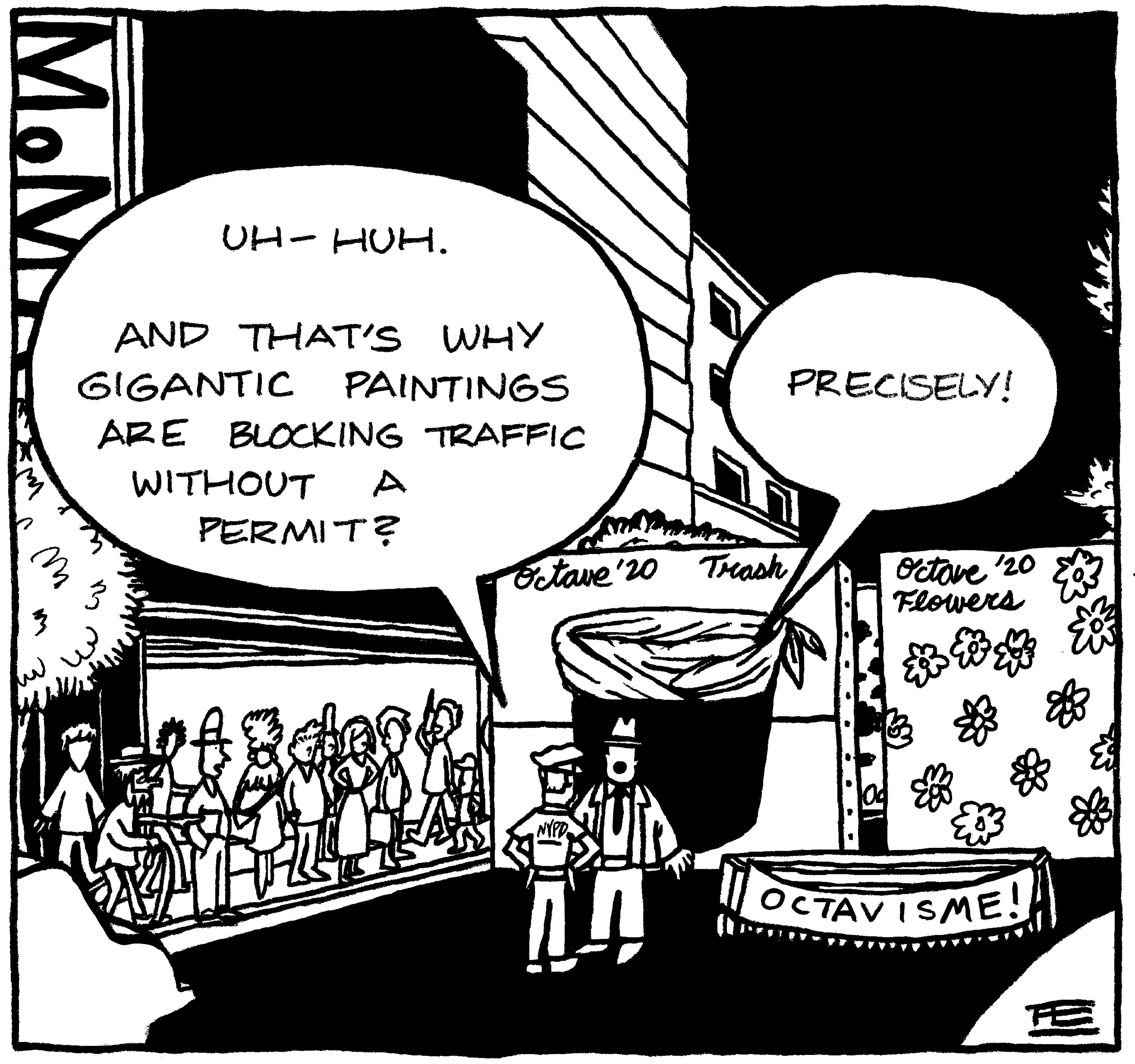
Artists of our generation are so hopeless that they would rather wish for fascism than confront the real challenge of the present.

Chus Pato // Erín Moure
Chus Pato’s new work is riverine, has the eyes and flight of quick unnoticed birds, the accuracy and mystery of a viaduct.

Anvil and Rose 1
Watt on books by Bob Arnold, Jericho Brown, Carolyn Forché, Patricia Colleen Murphy, and Fernando Pessoa.


A Response to Adam Lehrer’s “Art’s Moral Fetish”
What’s objectionable for Lehrer is that the products of the culture industry transmit a comfortable (numbing) attitude towards reality as opposed to an “ambiguous” or “critical” one, which art formerly laid claim to.

Art’s Moral Fetish
The art that casts a critical eye towards our society in its totality, or even just employs ambiguity to inspire criticality in its viewers, is met with skepticism, if not hostility.

Notes on Jon Rafman’s Dream Journal
Art itself doesn’t need to be defended: even when it whispers fake nothings, or indulges suspicious behavior, it speaks more than any defense ever could.


Harold Ancart and Suzan Frecon at David Zwirner
These are landscapes without landscape — pure ideas of how a picture is painted, of how a landscape is formed as an image.

Interview with Boyd Rice
Stefan Hain and Boyd Rice discuss Rice and Darja Bajagić’s “Banned Exhibition,” punks in the 1970s, and ‘authoritarian’ symbols.


On the Poetic Works of John Devlin, Part I
Devlin’s cover-art, in conjunction with the title and text, suggests to me the situation of the astrologer on earth, whose observations describe the dome of the heavens.



The Sad Lament of the Brave Review
In these new pictures by Julian Schnabel, we see the present state of painting: abandoned like unfortunate refuse, making do with what it has, left to its own devices, to elaborate what still remains within it.
