Tony Cragg
Marian Goodman, NYC | September 10 - October 24 2026
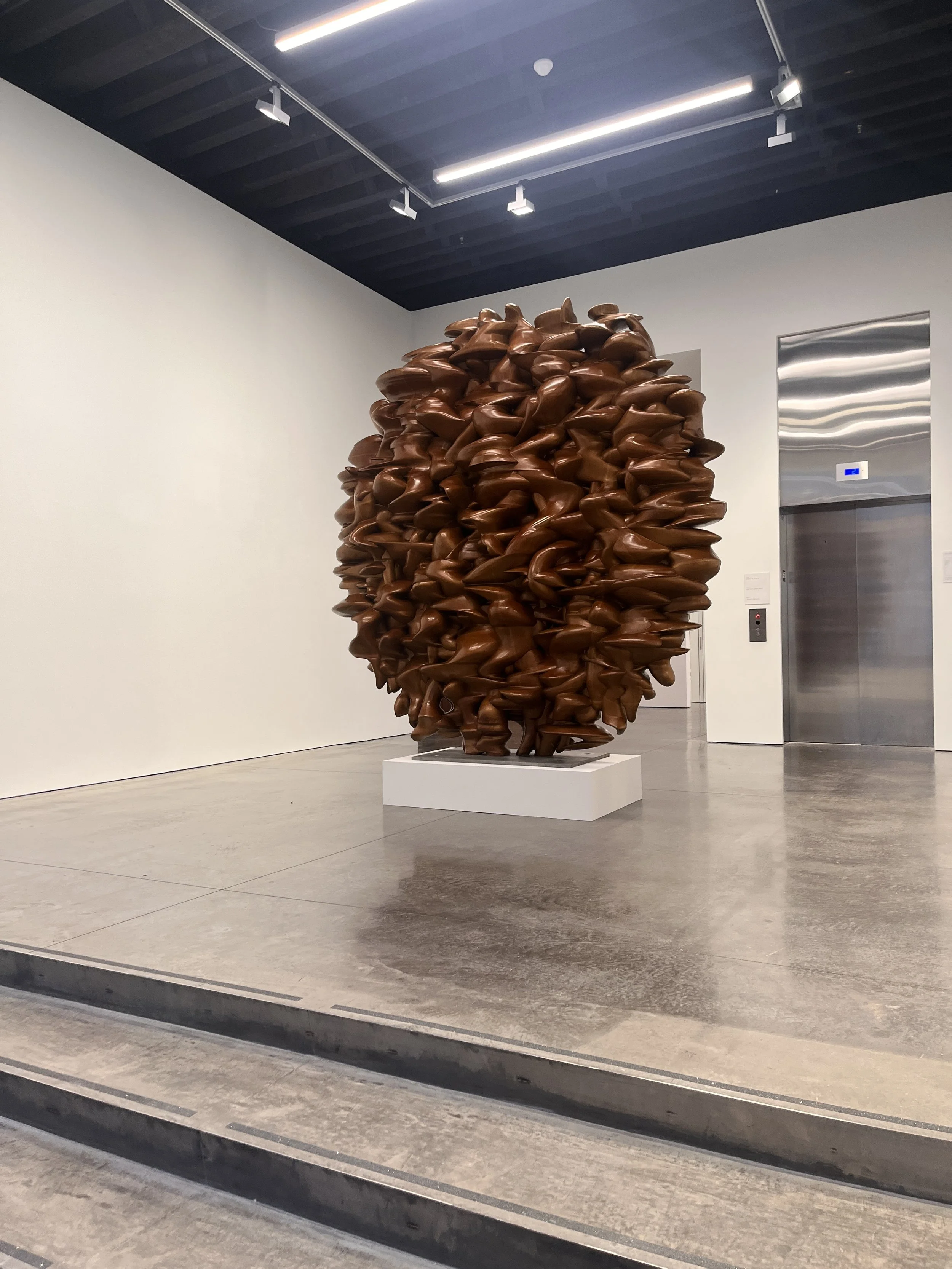
Tony Cragg, Versus, 2018, Bronze
This review is my third commissioned through Artlance, a platform I have a great deal of faith in. With Artlance, galleries commission reviews of their exhibitions that any critic in the Artlance stable (I count myself as the least illustrious on the NYC roster) can claim. The review is published independently, with no input from the commissioner, possibly to the commissioner’s consternation.
All the whining about the “crisis of criticism” (criticism is the crisis and has been so for two centuries) has henceforth produced little criticism. Artists and gallerists lament that no one reviews their shows. Artlance has a practical solution: pay critics to write criticism.
I am breaking the fourth wall here, articulating the conditions of this review’s production, because art criticism is necessary for art. The old newspaper and magazine economies of criticism are collapsing. In the absence of criticism, all that remains is the market regression to the mean. Middling Basquiats and million dollar Alec Monopolys are not rock bottom. Rock bottom is bottoming out.
If art is to survive at all it requires criticism.
All this is to say, in 2026, Tony Cragg does not have this requirement. He has a Turner Prize, he’s a Commander of the Order of the British Empire (that’s a notch above an OBE, if you’re keeping score). Cragg is doing just fine, and the sculptures of his that are displayed on the first and third floors of Marian Goodman’s downtown gallery are so tailored to banks and corporate lobbies that little further thought is warranted or provoked. It is “CB2 for billionaires,” as a friend put it. Middle brow for the high brow budget. Not even spicy enough for the hipper hotels.
I could call this a booth at Design Miami and be done with it. But collectors are paying for these sculptures and Artlance is paying me to take them seriously.
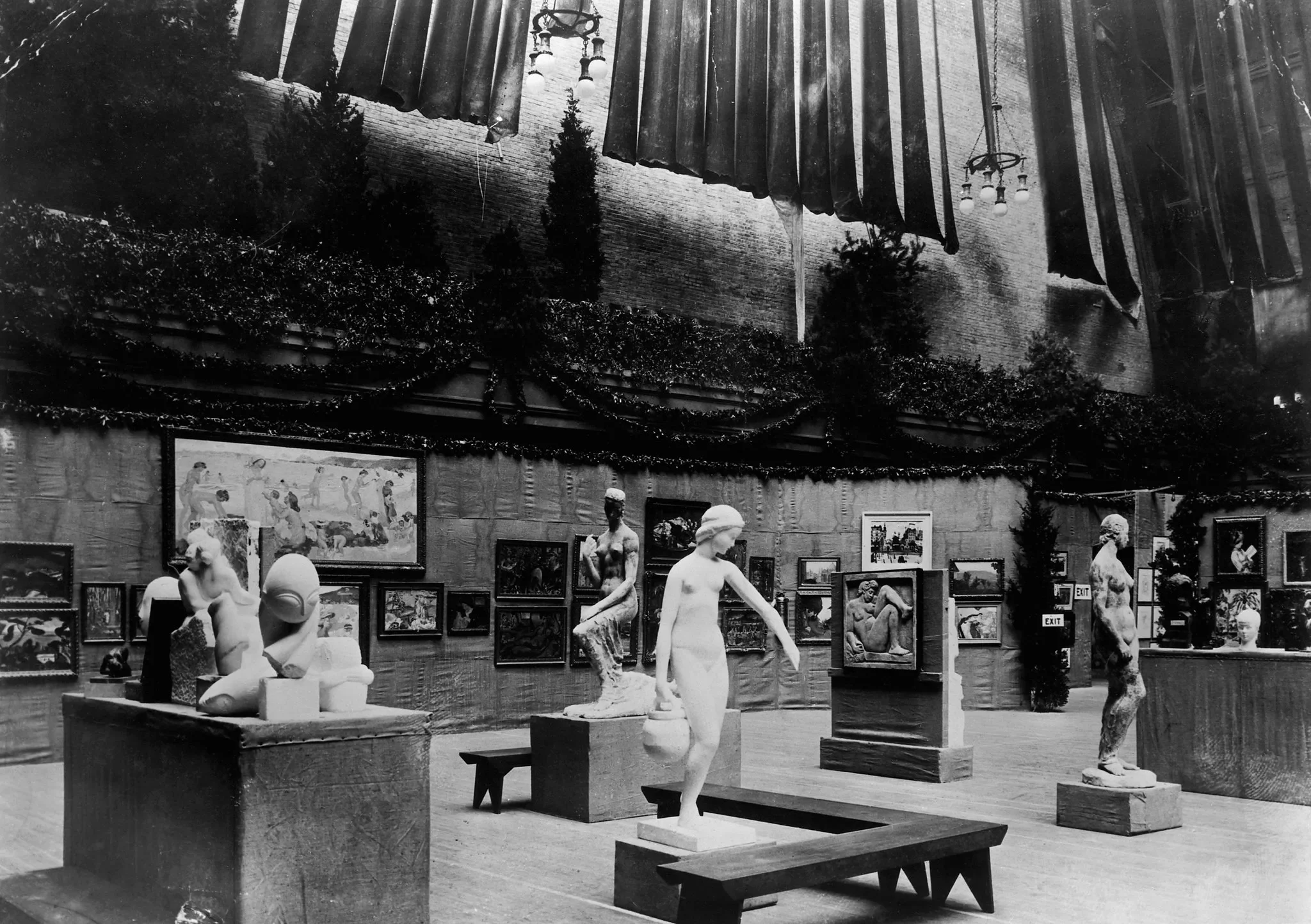
There are aspects of the show to be commended. Cragg’s iteration of sculptures like Masks and Symmetries in different materials and scales does indeed suggest S,M,L options in a choice of colors, but it is also a public essayant, a form of testing at which intensely material art excels. The work is most successful when the fabrication stutters, as in Stack and Eclipse, where small pock marks interrupt the many layers of stacked wood cutouts that make up the undulating forms. There are some surprisingly spicy personages rendered across wood, Corten steel and bronze that take their cavity placement cues from a particular kind of blow up doll. On the third floor, we see mostly work on pedestals, which evoke an upmarket suburban furniture showroom or black and white photos of the 1913 Armory Show. Depends on how you squint.
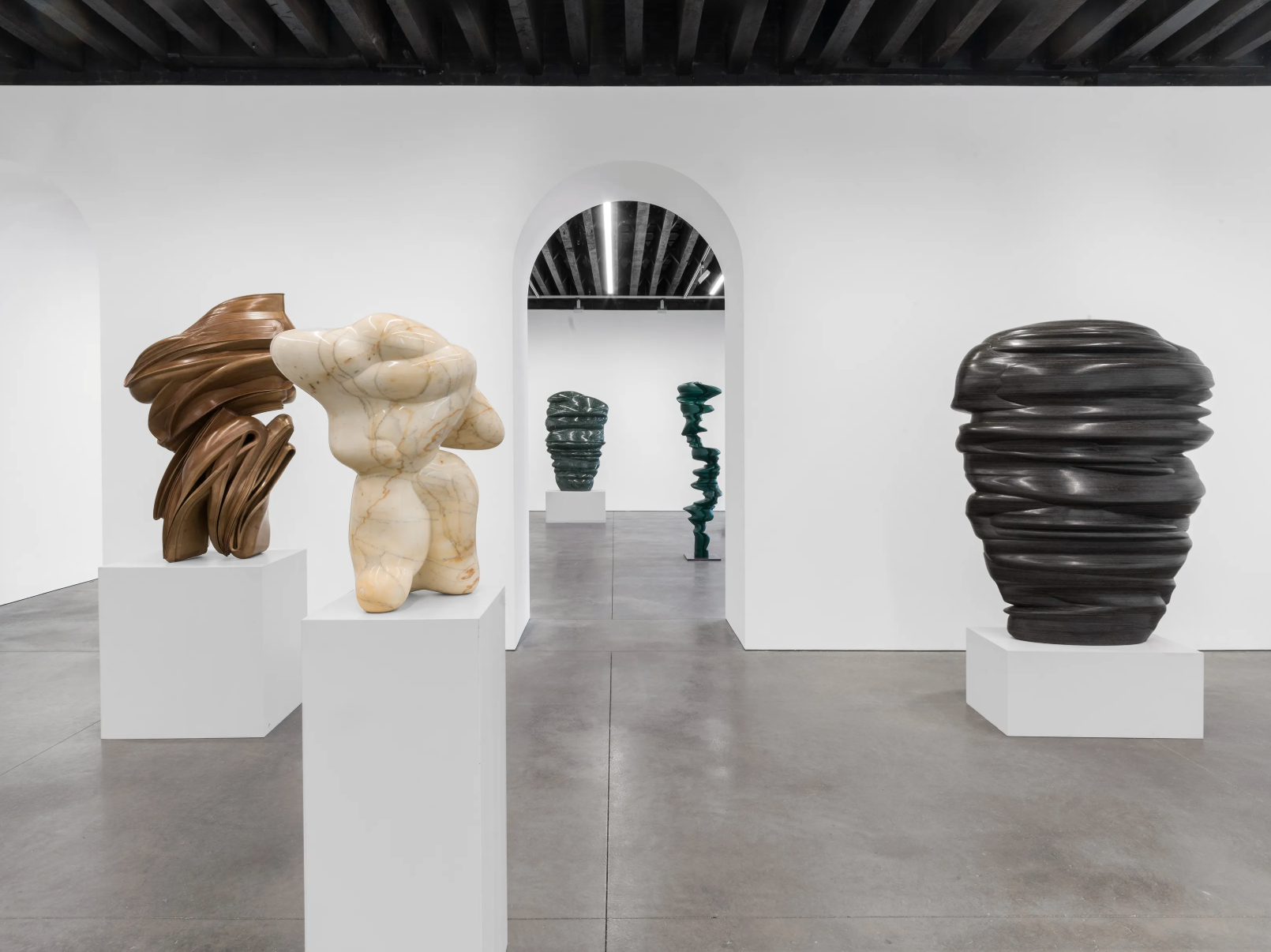
Cragg, to his credit, forces the question of sculpture. One doesn’t see much sculpture these days. There is architecture, pictures and installation (slightly less popular now if only because all art has become installation art). The public monument has become suspect and the heroic subject has been replaced with depersonalized cartoons (Tschabalala Self in London) and bodies without organs (Hank Willis Thomas in Boston). Ceramics are having a bit of a moment (Ron Nagle, Woody de Othello), but are more thingy than sculpture. The expanded field has burst.
As it happens a major Brancusi exhibition is opening at MoMA this weekend. the artist who hypostatized space, form and material, and in whose tradition Cragg seems to slump. In his 1948 optimistic study of sculpture and its new possibilities, Clement Greenberg mused that Brancusi had “exhausted the monolith by exaggerating it,” thereby driving monolithic sculpture “to its ultimate conclusion.” Greenberg framed the problem and possibilities of the medium in terms of literacy, immediacy and representation, ultimately suggesting that Brancusi had offset the problems of sculpture into painting, through which a genuinely new sculpture might develop. By the time he revised the essay in 1958 he was less sanguine: “the hopes I placed in the new sculpture ten years ago, in the original version of this article, have not yet been borne out—indeed they seem to have been refuted.” The forthcoming MoMA show. The New York Times reports that the sculptures are now presented alongside a recreation of the artist’s studios, his tools, and even audio of his favorite playlists.
It turns out that the casualty of photography wasis not, as was expected, painting, but sculpture. The triumph of the photograph bolstered the truth claims of painting. The literal transposition of the world would henceforth be its image or a simulacra of its architecture.